FirstLight Logo Redesign

FirstLight Logo Redesign

A brand revamp for one of our favourite clients (are we allowed say that or “is that racist Ted?”). Upper Case were recently tasked with a redesign of the logo for FirstLight. The brief included the addition of a flower with a missing petal and a flame of light similar to the previous logo design.

Introducing a new colour palette and logo icon helped to add new vibrancy and a softer feel to the existing identity and the existing concept, without necessitating a complete redesign. The flame and the flower were merged to create a logo representing both in a subtle way, considering this sensitive subject.

View our logo and branding portfolio here

FirstLight Logo Design

CLIC Brand Design – Recent Work

CLIC Logo Design – Downing Commercial

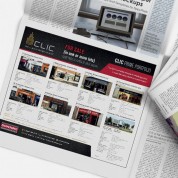
Upper Case were recently tasked with developing a suite of marketing materials for our client, Downing Commercial to help them launch a 9 million euro property portfolio. The Cork Limerick Investment Collection (CLIC) project comprised logo and branding design, sales brochure/portfolio, online brochure design and a series of national press adverts.

The logo design that was created is a simple design with the aim to make a strong impression in the property market. The logo has an abstracted skyscraper to represent the commercial property nature of the business.

View our logo and branding portfolio here

How to Develop a Corporate Identity

One common problem that all business owners must resolve is how to best stand out amongst the competition and increase customer loyalty and purchases. The solution is to develop a unique corporate identity that includes a branding strategy that expresses the essence and intent of one’s business. This identity must be powerful enough to cut through the noise and make a lasting impression upon potential customers. Ultimately, this strategy should translate into repeat purchases of products or services.

In order to effectively develop a corporate identity and effective brand there are a number of distinctions that need to be clearly understood.

What is a corporate identity and why is it important?

A corporate identity is the particular traits of personality and character that identify a business to the consumer. It is a sense of individuality and style that differentiates it from the rest and includes the business’s mission, message, ideals and essence that shape how it functions and is perceived.

Put simply, a corporate identity is a kind of persona and attitude that succinctly captures what the company is all about. When such an identity is successfully developed it is accurately perceived by ones customers.

Identity and personality

It is important because in a similar way that people respond to personality, charisma, honesty or integrity, they respond accordingly to the identity of a company. Very few people prefer to spend time with dull, boring, ineffectual and insipid companions.

When it comes to the world of business, customers align themselves to identities they resonate with and relate to. There is something reciprocal that is exchanged when a customer feels that a business understands their needs and is in harmony with their values.

If a business has a weak identity, customers will lack any strong motivation to interact with it. Powerful identities evoke equally powerful responses and in the realm of business this can translate into increased sales and greater customer loyalty.

How is branding different to a corporate identity?

  • Branding is more like the image of the company, rather than the style.


  • It is helpful to think of identity as essence and brand as the look, shape, form and substance.


  • Identity is the WHY of the company (why it exists, why performs as it does and why it has value etc.)


  • Branding is the tangible HOW (how it is identified, how it expresses itself and how it is packaged, produced and sold etc.).

Common elements of branding

A sign of good branding is having customers that are readily able to identify one business’s products and style from that of another. Elements may include a distinctive logo, colour scheme, tag line, unique selling proposition and packaging if there are physical products involved rather than services. Branding can include very specific elements such as fonts, typefaces, letterheads, style guides and a related product range that is in harmony with the corporate identity of the business.

There are many services that specialise in helping businesses develop brands but graphic and branding design certainly ranks amongst the best. It is clear that in order to market ones business effectively, the issues of corporate identity and branding need to be thoroughly considered, developed and consistently defined. Seeking the services of professionals experienced in guiding business through this process is highly recommended to ensure the job is done properly.

Creative design plays an important part in organisations

Business theory is based on the the idea of creating wants and needs. Creative design is a fundamental part of this in that it creates an image for this need. Great designers understand consumers and their needs, aspirations and emotions.

It’s not what you say, it’s how you say it

We at Upper Case think that it’s both! Design is all about communication. You create your goals and your message, and we communicate them clearly to the customer. According to Bloomberg Business, “Design is a process of synthesising insights into a tangible offering in a way that addresses the goals of the company and the desires of consumers.”

A successful piece of creative design work should not be noticeable to the consumer. The aim is for a customer to remark on your great business, not your great graphic design, unless like us you are in the business of design!

Creative design & tone of voice

The designer communicates the tone of voice for the company and expresses the value to the consumer. Do you want your organisation to say that you are about exclusivity and luxury, or value and convenience?

Building a brand

Philip Kotler, Professor at the Kellog School of Management says that “the art of marketing is the art of brand building. If you are not a brand you are a commodity. Then price is everything and the low cost producer is the only winner.”

Form follows function

This popular design phrase, coined by a father of modern design, Louis Sullivan explains how in design as opposed to the arts, the function of a piece is more important than the visual look of it so if the best way for us to get your message out there is with a direct mail campaign or with a website, we will be sure to choose the best option to get the best results for your organisation because business is all about results. Just like in marketing, good design is SMART-Specific, Measurable, Actionable, Realistic, Timely. Designers often include a call to action in their message, which is a technique to get measurable results from design.

Graphic design & the bottom line

It’s all about lean in business these days- cutting the fat and identifying limiting factors that stand in the way of achieving corporate goals. In design, lean methods have always been best practice. Graphic Design Agencies always look for the most creative, most efficient and most effective ways of communication. Creative design wins over budget in terms of customer impact and this of course has a positive impact on your bottom line.

View our logo and branding portfolio here

Re-Branding Your Business? Here’ A Guide Of What To Do.

rebrand
Whatever the reason for your re-brand, there are several advantageous marketing opportunities that will evolve your brand so that you can stay relevant in an ever-changing marketplace. As you’re probably aware, any re-branding scenario will require a detailed analysis of the current marketplace and how best to re-enter it. There are several common strategies that every re-brand should consider as well as several easy to avoid pitfalls that you will likely run into. The main idea of any well thought out re-brand will be to execute a well-organised and thoroughly researched strategy that both repositions and revitalises your business.

You can start by taking heed of the following do’s and don’ts when it comes to rebranding your business:

Do Hire a Graphic Design Consultant

Getting an outside perspective from a graphic design professional is key to understanding how to re-brand in any market and how you handle the relationship with the consultant could potentially make or break your re-brand. Getting an outside perspective may mean hiring an agency with no other clients in your industry, which may be outside your comfort zone. But getting outside your comfort zone is exactly what getting a new perspective is all about so don’t be afraid to consider it as a serious option. If you push back too much with your consultants, you are essentially defeating the purpose of the re-brand.

Don’t be Afraid to go Big

If you are feeling overwhelmed at the scope of your re-brand you may want to take a step back and re-evaluate your goals. Don’t be afraid to actually follow through with all your over ambitious plans. A superficial re-brand will come off as forced and may hurt things even more in the long run. An organised, adaptable and long-term strategy will ensure that your goal of creating a new, better brand will be reached. The cost may seem big at first, but the potential payoff is there if done right.

Do go back to Basics

Basic business strategy applies very poignantly when it comes to a re-brand. Common mistakes like not doing enough research or basing your whole re-brand on advertising are to be avoided at all costs. Another common issue is staffing which can result as too many chefs at the top deciding on the strategy and spoiling the proverbial pot. Decisions with serious implications should be decided by only a few people to keep the re-brand strategy efficient and its processes streamlined.

Do Use your Common Sense

Most of the do’s and don’ts to a re-brand are common sense and include:

• Do re-imagine more that a new logo

• Don’t think that a new logo will be enough to change the internal and external perceptions of your company

• Do hire a local graphic designer to design and build your logo to get a really professional job

• Check out our Blog Post for Why you Should Hire A Local Graphic Designer.

• As well as getting external insights (as outline above), do look for internal feedback too

• Do build a new brand that’s real to your business, and reflective of your goals

• Even it it’s what you think your customers will want, don’t build a brand that’s not authentic to your business

Good business practices and a fresh perspective on your vertical market guided by thorough research into current best industry practices will yield an effective strategy to build an entirely new brand for your business. But remember, for your rebranding to be a resounding success, your approach to your rebrand must be intentional and proactive, rather than a reaction to new business conditions such as new markets or mergers.


Why You Should Choose a Local Graphic Designer

Nowadays, the reality is that almost anyone with an Internet capable device could label himself or herself a graphic designer. It’s pretty easy to draw something up, be it a logo, a wire frame or a cartoon drawing of your own face.

Producing something high quality, however, is much more difficult. When it comes to your business, you really do need to put your best foot forward for your customers’ first impression of you, and that means effective branding.

Sure, you don’t technically need branding. After all, you could just write what you do on a piece of paper and stick it to the door – but in fact, that is branding itself – just a truly awful version of it.

And no, the best thing to do is not to try to DIY your logo or your website. Your time is much better spent working on your business than trying to work out layering on Photoshop. Who has time to do everything? You could try to file your own taxes, do your own accounting, look after your own branding, cook your own dinners and take care of the managerial and all other tasks in your business, but at the end of the day, some things are best left to someone else – a specialised professional.

Graphic design is one of those things. And it’s also something that most business owners don’t get around to doing – there’s just too much to worry about in that area. Why not get a professional to take care of it for you? You’ll barely have to think about it and your business will reap the rewards.

Every small business needs to stand out. Chances are, you’re not the only company who offers your product or service so what makes you different than the others in your industry? Not just graphic design, to be sure – but branding is what people see, and how they make their first decision about your company. It’s an important decision, and graphic design can make all the difference.

Keeping your branding consistent can make all the difference to how your customers see you. You might be surprised how many brands you recognise just from their logos, even without the writing. Designers know how to use details and fonts to get the best out of your business name and place in the industry. Designers also know about image sizing and how things will print. It’s worth hiring one alone just to avoid these headaches.

But which kind of designer should you choose? It can be overwhelming to search online, and how do you know who is any good? There are lots of ways to find a quality graphic designer with one of the best ways being to find someone in your local area so that you can meet with them in person and get your requirements across. Another advantage of doing so is that before they start work, they can stop by your business and get a feel for what you’re like as a company, and begin to generate some creative ideas based on their findings.

Hiring a local graphic designer is a great idea for any sized business and, given the significance of quality branding in today’s marketplace, it’s always worth the investment.

5 Tips When Hiring a Graphic Designer

LogosNowadays, businesses need to grab the attention of their target audience by employing effective tactics that will make their product/service stand out from that of their competitors. If you’re a business owner, one of the best ways to do this is to hire a graphic designer who can use their expertise to create a memorable and eye-catching logo that will transform your business, product or service. So how do you go about hiring a graphic designer that will do the needful for your business? We’re here to help! The following are 5 tips you should consider when you are hiring a graphic designer:

  1. Have a specific plan

Before you talk to any graphic designer, make sure that you have a clearly defined and well thought out plan as to what you expect to achieve by hiring them. If you have a particular project in mind, make sure that you can communicate the purpose of the project and what you require to make it a success. In this way, you can see if the skills of the graphic designer measure up to what you require. While you may not know how the finished design will look, you should be able to articulate what you want the design to achieve.

  1. Be clear about the budget

Make sure that the project budget is set and agreed when you are hiring a graphic designer. The designer will need to know what your budget is and be able to assess whether the work involved in what is being requested can be achieved within the allowable budget. Also, being clear with the budget available to you will ensure that you will save time and stress by only considering the services of the graphic designers that you can actually afford.

  1. Portfolios are important

A graphic designer’s worth can be measured by the quality of their previous design projects that form their portfolios. When reviewing a portfolio, pay attention to the details, the messages that are portrayed, the impact the designs have on you and how memorable the imagery is. A good graphic designer can easily and clearly communicate a message through their designs so in retrospect, the ability to convey a message is something that you’ll need to take into account.

  1. References

As with any prospective employee, you should always check the references of a graphic designer that you are considering working with. A quick telephone call or an email to some previous clients that they have worked with can give you a clear and concise idea as to their skills, experience and how easy they were to work with.

  1. Location

Ideally, you should try and hire a graphic designer that is located in your local area as face-to-face meetings and interactions are intrinsic to the birth of a successful design. It is easier to convey your business’s style and way of thinking with personal interactions with your graphic designer rather than dealing with an overseas, outsourced graphic designer service.

A good graphic designer is worth their weight in gold and so taking the time to choose the right one to cater to the needs of your business will certainly pay off in the long-term.

10 Essential Graphic Design Portfolio Tips

Due to the increasing demand for great graphic designers, there are a growing number of people who are inclined to try their luck in this budding profession.

What can you do to maintain a steady stream of clients who are eager to work with you? The key is to create an effective portfolio that does not only showcase what you can do, but also provide your clients with a glimpse of who you are as an artist. The following are ten essential tips to pay attention to when creating your portfolio.

1. Feature only the best of your projects

It is tempting to have a portfolio that is filled with dozens of samples of your work. Remember that portfolios should make you memorable and putting too many projects on your page will make you harder to remember. A good rule to follow is to include a maximum of 8-10 projects in your portfolio.

2. Customise your portfolio for different clients

Considering their different needs, no single collection of your work can possibly please all clients. A CEO of a tech company might need a different presentation of your skills from what an advertising executive of a popular clothing company might need to see from you. Be flexible in what you intend to show different clients.

3. Show self initiated work

You do not need to be officially hired by a certain company to do design work for them. Sometimes clients just want to see what you can do and how creative you are. Flex your creative genius by showing clients your ability to represent brands very well through your design work.

4. Decide what kind of designing you want to do

Showcasing a consistent and specific line of graphic work will make your portfolio much more cohesive and engaging. Be intentional with your project selection and capitalise on that when the time comes to create a portfolio.

5. Choose the best format for your portfolio

Many graphic designers opt to have their portfolios on PDF formats while others choose to have theirs printed. Just remember that some clients will prefer to physically touch your work samples. If printing your portfolio enhances your client’s experience with you and your designing abilities then print it out.

6. Go for an online portfolio

By having an online portfolio that follows your designing brand you can expand your client base and consequently enrich your portfolio in the process.

 7. Let your work speak to your clients

It is tempting to describe your work extensively and put too much effort into enhancing the presentation of your portfolio, but remember that the key element here is the work that you are trying to showcase. It should speak for itself so simplify the overall look of your portfolio to make your work shine through.

8. Leave prospective clients wanting more

Make sure that your portfolio features the best of your work. Start a page with amazing samples and end it with unforgettable ones. This will arouse the interest of your clients and they will end up wanting to know more about you and what you can do for them.

9. Do not forget your intro page

If you choose to go directly to the presentation of your projects your clients might miss seeing what you represent and what your artistic goals are. This can seriously affect the effectiveness of your portfolio.

10. Be sure your portfolio has a good background story

An impressive portfolio would be a complete let down if it were missing interesting background stories. When you meet with clients, be sure to talk expansively about your featured projects, as this will further enhance your prospects of securing the project.

Graphics Design Concepts that Make an Impact

Whether you are selling a product, raising awareness for a charity or simply displaying information it needs to have an impact on the viewer to be successful. The craft of graphic design is crucial here. Creating an impact not only grabs the attention of the viewer it also makes them more likely to remember the critical information.

The displayed information can come in many forms, a television or magazine ad, a brochure, a catalogue, a prospectus, a report, the list goes on. What they have in common is that they need to convey information in a pleasing way that strikes, then retains the viewers attention.

The three concepts of graphic design below all affect how impactful the final piece will be.

Minimalism

The old cliché that less is more has grown a little tired at this point in the history of graphic design. Many designers defy the rule with neo-baroque and similar styles that overload the viewer with a visual opulence.

But function overrules form when it comes to conveying information clearly. Where more elaborate, ornamental styles are used a good graphic designer will contrast or juxtapose them with open clear spaces in which the critical message is printed.

Typically these ornamental elements operate as an extravagant frame around a simple piece of text, enlivening it and drawing attention to what might otherwise be relatively dull information.

Infographics

The infographic is a design technique that often employs minimalism to the greatest effect. It essentially tries to distil a set of data into its most easily digestible visual form.

Infographics have recently become very popular. Through social media, a clever or interesting Infographic can quickly be shared across a wide audience. However, they are far from being a new phenomenon.

Established in Vienna in the 1930’s, Isotype, the international system of typographic picture education was developed to “represent social facts pictorially”. A key motto of the movement was: “To remember simplified pictures is better than to forget accurate figures.” A good graphic designer will keep this motto in mind when creating their infographics.

Typography

Anyone who uses basic word processing software can call themselves a typographer of sorts. However, choosing the right type for a piece of graphic design work requires a keen aesthetic understanding. The typography and the design around it have to work together to make information clear while also drawing the eye with an attractive overall design.

In terms of conveying information clearly font hierarchy is an important aspect of how graphic designers use type. It helps to direct the reader to the critical text, to navigate through different parts of the text and break it up into easily digestible passages.

Text can also be used creatively without having to rely on more abstract designs. Interesting arrangements of text and innovative combinations of fonts can be just as engaging as elaborate illustrations.